Tool Chests & Cases
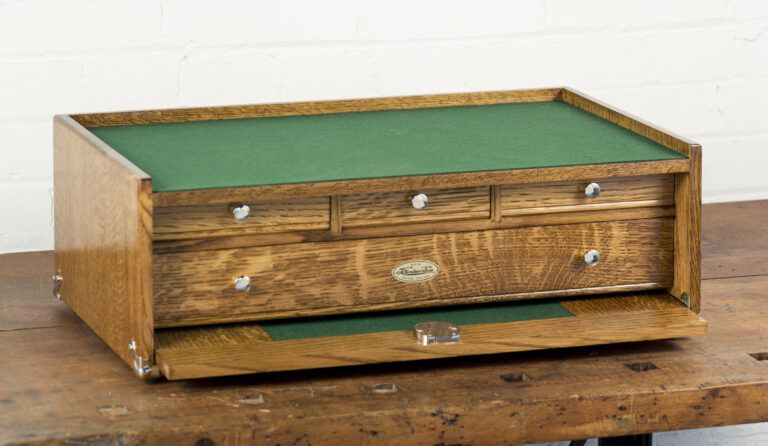
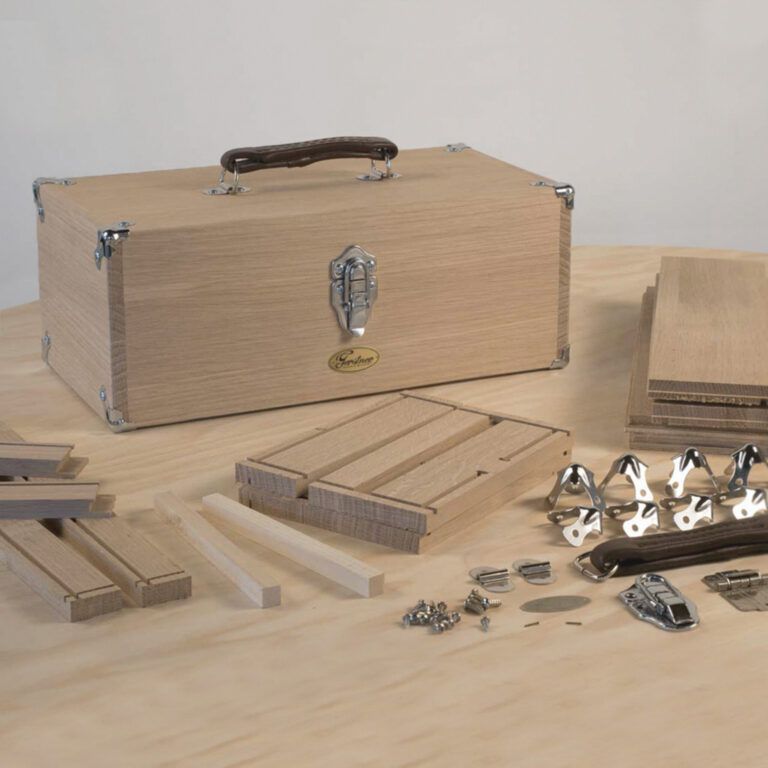
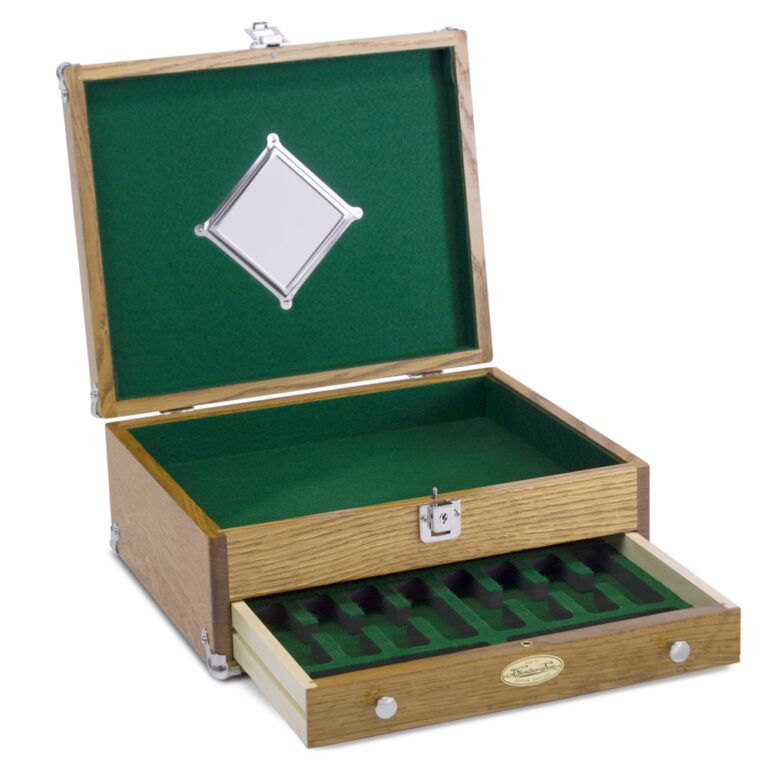
Browse the chest and case formats in the current Gerstner USA collection.
ExploreGuid Wark — Scots: good work
The phrase is old. The standard is not.
Do a thing properly. Use materials suited to the work. Pay attention to the details that matter. Make something that earns its place by serving well.
Guid Wark seeks out products made in that spirit—soundly constructed, thoughtfully designed, honestly represented, and worth keeping.
Shop by form
Browse the chest and case formats in the current Gerstner USA collection.
ExploreLarger mobile storage for tools and equipment that need to move with the work.
ExploreGerstner USA
Guid Wark launches with Gerstner because its USA-made wooden tool storage reflects the kind of practical craftsmanship this shop is built to find.
Our Gerstner selection is limited to the USA-made line. The emphasis is not on collecting products for the sake of a larger catalog, but on presenting the chests, bases, and configurations clearly enough to choose the right one.
Explore Gerstner USASelected products
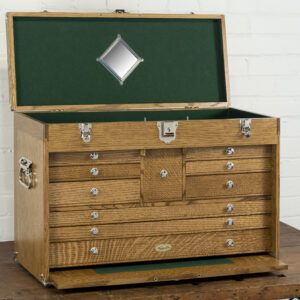
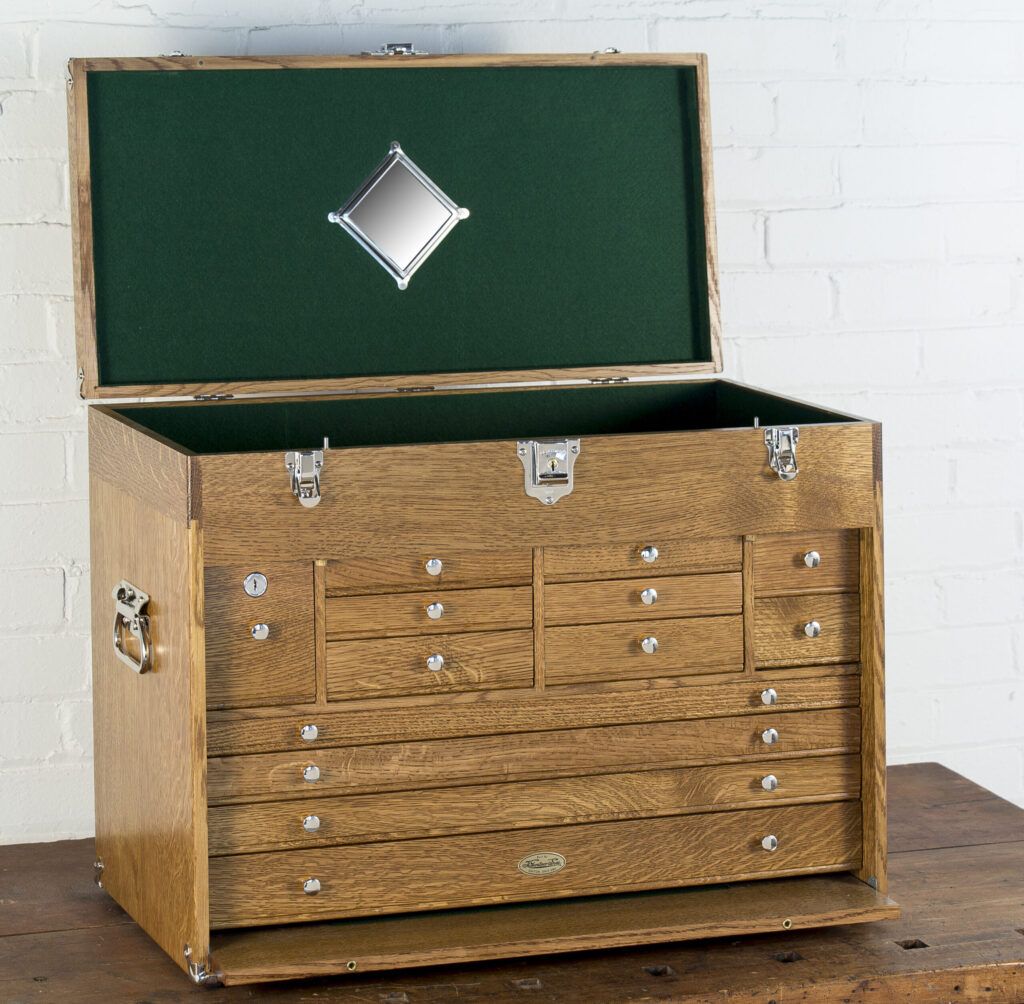
Ten drawers in a 26-inch-wide wooden machinist tool chest, with shallow compartments,…
View product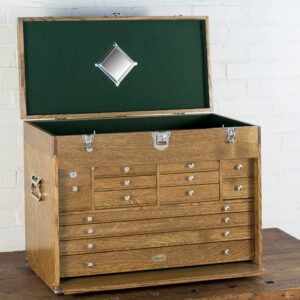
Thirteen felt-lined drawers and a broad top compartment give the 2613 more…
View product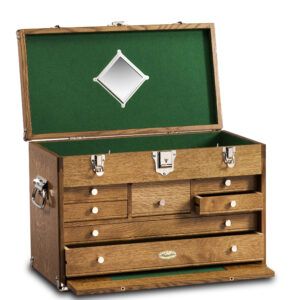
A 20-inch-wide Gerstner chest with seven felt-lined drawers, a top well and…
View product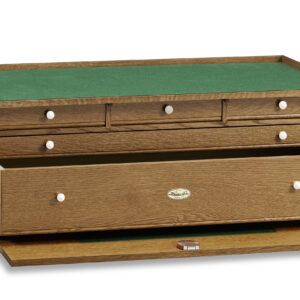
Five drawers, including a 4-5/8-inch-high bottom drawer, add storage below a 2610…
View product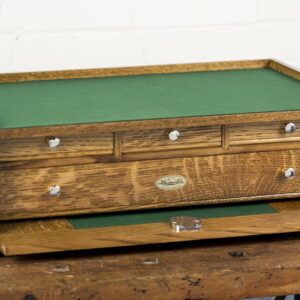
Four locking drawers beneath a felt-lined top. The B2104 is the documented…
View product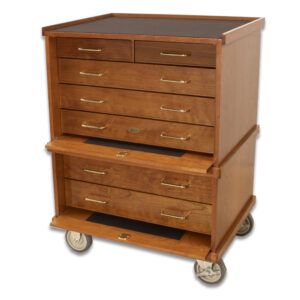
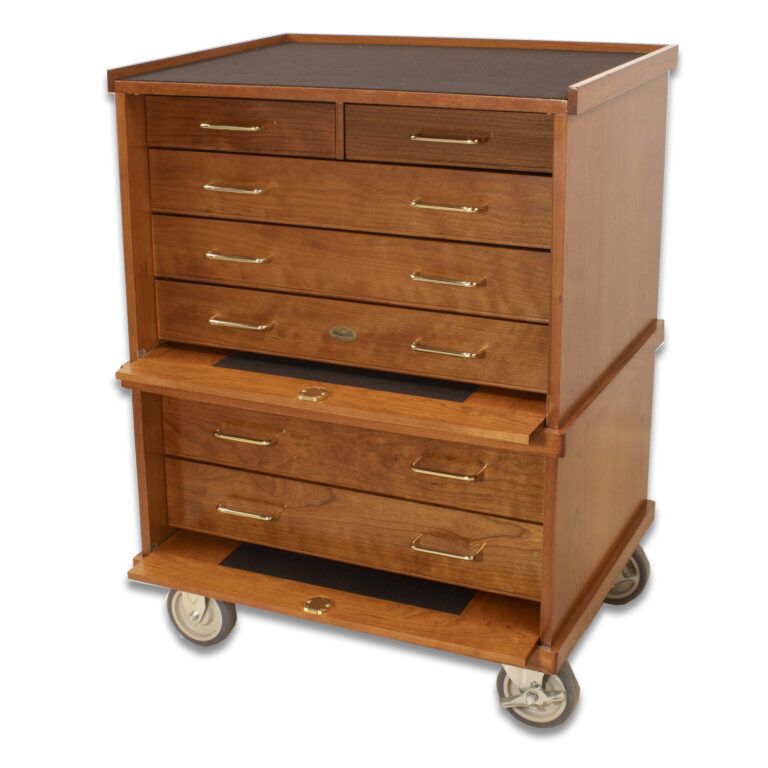
Seven drawers on full-extension, soft-close slides in a hardwood-and-veneer roller cabinet. Two…
View productChoosing the right chest
A small catalog does not remove the need for context. Size, form, configuration, and how a chest will be used can matter more than a long list of features.
A direct comparison designed to make the choice between these two Gerstner chests clearer.
When a chest is the right choice, and when adding a base makes sense.
Gerstner configurations are factory-defined combinations. Choose from the combinations actually made rather than assuming every finish, hardware, and interior can be mixed.
The Guid Wark standard
Materials appropriate to the job. Construction that makes sense. Details considered for use rather than display. A design that does its job without unnecessary complication. A maker willing to stand behind what was made and tell you enough about it to judge it for yourself.
Those are the things we look for before a product earns a place at Guid Wark.
The proof of good work is in the work itself.
How it is put together matters as much as how it looks.
The right material for the job—not something chosen merely to sound impressive.
We want to know who made it, where it came from, and what can actually be established about it.
A useful object should continue earning the space it occupies.
Our name
pronounced “gid wark” — Scots: good work
In James Fenimore Cooper’s Wyandotté; or, The Hutted Knoll, published in 1843, a Scottish workman insists:
“Guid wark is far better than quick wark.”
He follows it with another observation:
“The thing that is well done, is done with the least noise and confusion.”
More than 180 years later, the point is immediately recognizable to anyone who takes pride in a craft. Noise is not workmanship. Hurry is not skill. Looking busy is not the same thing as doing the job well.
Guid Wark takes its name from that older standard: if a thing is worth doing, do it properly.
We look for products that show the same respect for materials, purpose, construction, and the person who will eventually use them.
About Guid WarkChosen to be useful